
Why Isn't My Home Getting Offers? An Honest Read for Middle Tennessee Sellers
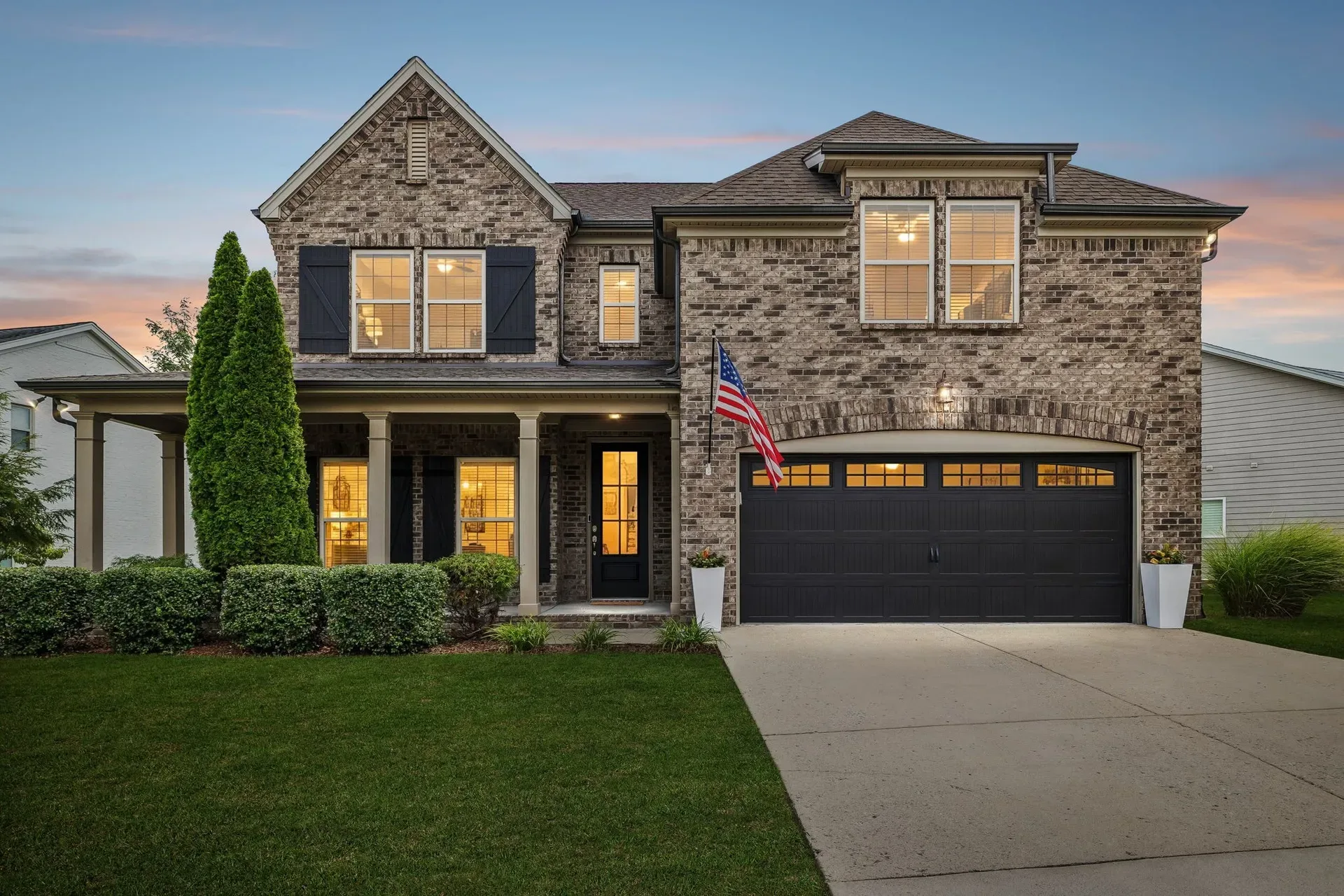
It is the question I hear more than any other right now, in listing appointments, in texts, and in the Middle Tennessee seller groups I follow online: why is my home not getting offers? The honest answer, after watching this market shift all year, is that it almost always comes down to one of three things: price, presentation, or the company your home keeps on the market. And in the vast majority of cases, it is the first one. Here is the plain-English breakdown, and what actually moves the needle.
This question did not exist two years ago
Two years ago, a well-kept home in Williamson County could go under contract in days, often with multiple offers and few questions asked. That version of the market is gone for now, and the question followed the shift. Across Middle Tennessee, September 2026 closed with about 14,249 active listings, up roughly 8 percent from a year earlier, and 5.41 months of supply. One national brokerage counted 129 percent more sellers than buyers in the Nashville market this summer. Homes that used to sell in a week now take about 63 days to go under contract regionwide, and roughly 56 to 60 days in Williamson County, depending on the week and the measure.
None of that means your home is a bad listing. It means buyers have choices now, and when buyers have choices, sellers have to earn the offer.
Start with price, because it is almost always price
Here is the rule of thumb I give every seller who calls with this question: if you have had no showings in ten days, or no offer in three weeks, the price is the problem. Not the photos, not the season, not the broader market. The price.
The numbers back it up. Sellers across the metro have been accepting roughly 97.5 percent of asking price, and about 97.9 percent in Williamson County, which means buyers are landing about two percent below list on average. About one in five active listings in Williamson County had cut its price at least once as of late summer, and earlier in the year, roughly a third to two-fifths of listings across the metro had taken a cut at some point. The pattern is consistent: homes that launch too high sit, accumulate days on market, and then sell for less than a disciplined price would have brought in the first two weeks. The market does not punish optimism slowly. It punishes it with silence.
Presentation is the second conversation
Price gets the blame first, but presentation decides whether the showings you do get turn into offers. In this market, buyers compare your home to everything else they saw that weekend, including brand-new construction with builder incentives. A few honest questions: do your photos show the house in its best light, literally? Is the entry staged so a buyer can picture their own life in it? Are the small things done, the gutters, the lightbulbs, the door that sticks? Buyers forgive a dated kitchen far more easily than they forgive a home that looks unloved.
I have watched the same house, same price, go from quiet to multiple showings on the strength of new photography and a weekend of staging. It is not magic. It is giving buyers a reason to linger.
You are not only competing with other resales
New construction is a big part of why this question is everywhere. Builders in Middle Tennessee are offering rate buydowns, closing-cost help, and upgraded finishes to move inventory, and a buyer comparing your resale against a new home with a below-market rate is comparing two very different deals. You cannot out-build the builders. You can make sure your price and your terms are competitive with what they are offering, which often means a seller contribution toward closing costs or a buydown of your own.
And do not treat concessions as a defeat. A seller credit of a few thousand dollars can tip the balance with exactly the buyer you want, and the math usually works out better than a price cut that lowers your net for years to come. Run both numbers before you dismiss either.
What actually works
Everything above points to the same plan. Price it right on day one, because the first two weeks are when your home gets the most attention and the most leverage. Present it like a home someone would want to move into tomorrow. Compete with the builders on terms, not just price. And collect honest feedback from every showing; the agent who tours your home knows exactly why it did not sell, and that information is gold.
The market is not broken. It is just normal again, and normal rewards preparation. The sellers doing well right now are not the ones who waited for the market to change. They are the ones who changed their approach first.
The bottom line
If your home has been sitting, do not assume the market will come around to your price. The market is telling you something, and the sooner you listen, the sooner the offers usually start. Sit down with an agent who will give you the unvarnished version, not the one you want to hear. If you are ready for that conversation, our selling guide walks through pricing strategy for this exact moment, the market report has the countywide numbers, and my door is always open. Reach out with any questions...we're here for you!
Sources
- Grant Hammond – Middle Tennessee real estate market update, September 2026
- Redfin – Nashville sellers need to pack their patience
- ReStar – Williamson County home values and market data
- FRED – Median days on market, Williamson County, TN
- NashvilleSMLS – Should you sell your house in a buyer's market in Nashville?
- Nesting in Nashville – Should you offer seller concessions in Nashville in 2026?
- The Costigan Group – Nashville housing inventory 2026: what the numbers mean for sellers
- Houzeo – Nashville housing market 2026
- Homes.com – Nashville housing market report

REAL Broker
TN Lic: 372786